


The report found that carbon dioxide (CO₂) emissions in fiscal 2023 decreased by approximately 25% compared with fiscal 2013, indicating steady progress in reduction measures. However, emissions per unit of production (emission intensity) declined by only about 2%, prompting the foundation to call for the establishment of clearer benchmarks and reduction targets specific to the carbon intensity of cement itself.
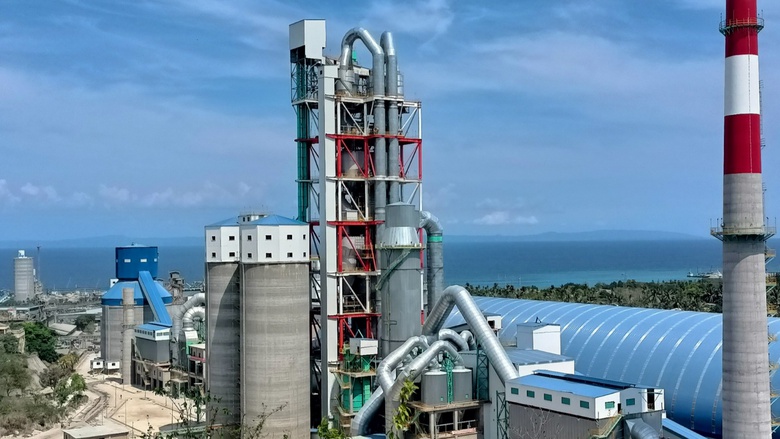
The domestic cement sector ranks third among Japan’s industrial sectors in total CO₂ emissions. Around 60% of these emissions come from raw materials, making cement "one of the most challenging industries to decarbonize." Nevertheless, the report highlighted that advanced initiatives are underway and expressed hope that Japan’s efforts would contribute to achieving the Paris Agreement’s global goal of limiting temperature rise to 1.5°C.
The report identified several ongoing challenges for reduction in emission in the cement industry, including limited use of blended cement, continued reliance on coal, and stagnation in the use of renewable electricity. The report identified key challenges in reducing emissions in the cement industry, including limited use of blended cement, continued dependence on coal, and stagnation in the adoption of renewable electricity.
As short-term measures to reduce emissions, it listed: reducing the use of clinker (the intermediate product in cement production), switching to alternative fuels and improving energy efficiency, introducing and expanding the use of renewable electricity, and reducing the overall volume of concrete used.
For the medium- to long-term, the report called for further efforts toward the decarbonization of fuels, the development and deployment of carbon capture, utilization and storage (CCUS), the creation of new binding materials, and the utilization of the CO₂ absorption properties of hardened concrete.
Bình luận bài viết (0)
Gửi bình luận