


As the costs of raw materials, energy, and logistics continue their sharp ascent, many companies find themselves navigating an increasingly severe business environment. Concerns are mounting among material manufacturers regarding prolonged construction timelines, market stagnation, and the heightened uncertainty of global procurement.
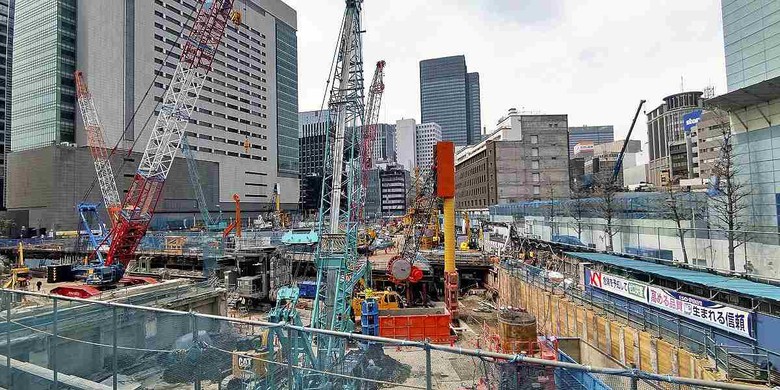
Construction site activity highlights growing concerns as Middle East tensions disrupt supply chains, pushing up material costs and procurement risks.
The primary catalyst disrupting the supply chain is the surge in prices for crude oil and petrochemical feedstocks. One manufacturer revealed an increasingly urgent situation: "A shortage of naphtha-based thinners is expected to cause stockouts in paint-related products starting around mid-May."
As of April 10th, most manufacturers have maintained production lines by utilizing pre-secured inventory. While many firms report that "no products currently require shipping restrictions" and are diversifying their procurement sources to mitigate risk, forecasting the duration of the Middle Eastern turmoil remains difficult.
The geopolitical landscape continues to shift unpredictably; despite reports of a two-week ceasefire agreement regarding military operations by the U.S. and Israel against Iran, the Strait of Hormuz—a critical artery for global oil transport—has reportedly faced renewed closures.
Within Japan, industries beyond construction have begun evaluating alternative procurement strategies and the diversification of supply sources. Some companies have already started referencing the potential for adjustments or restrictions on orders and shipments.
Regarding price pass-throughs, most material manufacturers are currently monitoring the situation. However, they remain prepared to request price revisions depending on the trajectory of raw material, energy, and logistics costs. Indications of an inevitable price hike are already emerging. The application of emergency fuel surcharges by some container shipping lines has driven up maritime transport costs for imported timber and structural materials. Expectations are growing that a vast number of manufacturers will soon issue formal notices regarding price adjustments.
For Japan, which relies heavily on imports for its resource security, a prolonged crisis threatens to exert a profound impact on socio-economic activities. Supply instabilities and rising costs for materials risk escalating overall construction expenditures and triggering significant project delays.
"For small and medium-sized enterprises already struggling with labor shortages, a total halt in raw material supplies could provide the final impetus for business closures," warned one corporate executive. The current crisis underscores the urgent necessity of constructing resilient supply chains—such as regional diversification—to prepare for further unforeseen contingencies.
Bình luận bài viết (0)
Gửi bình luận